
Condensation forms when there is excess moisture in the air that settles on cold surfaces. While it’s very common during the colder months, it should never be ignored. If left untreated, condensation can lead to mould growth, damage to windows and furniture, and even impact your health.
At NexGlazing, we know that the only way to properly stop condensation is to understand what’s causing the excess moisture in your home. The key solutions usually involve improving ventilation and maintaining a consistent indoor temperature. There are three main types of window condensation, each with different causes and solutions, which we explain below.
We’ll also answer some of the most frequently asked questions at the end.
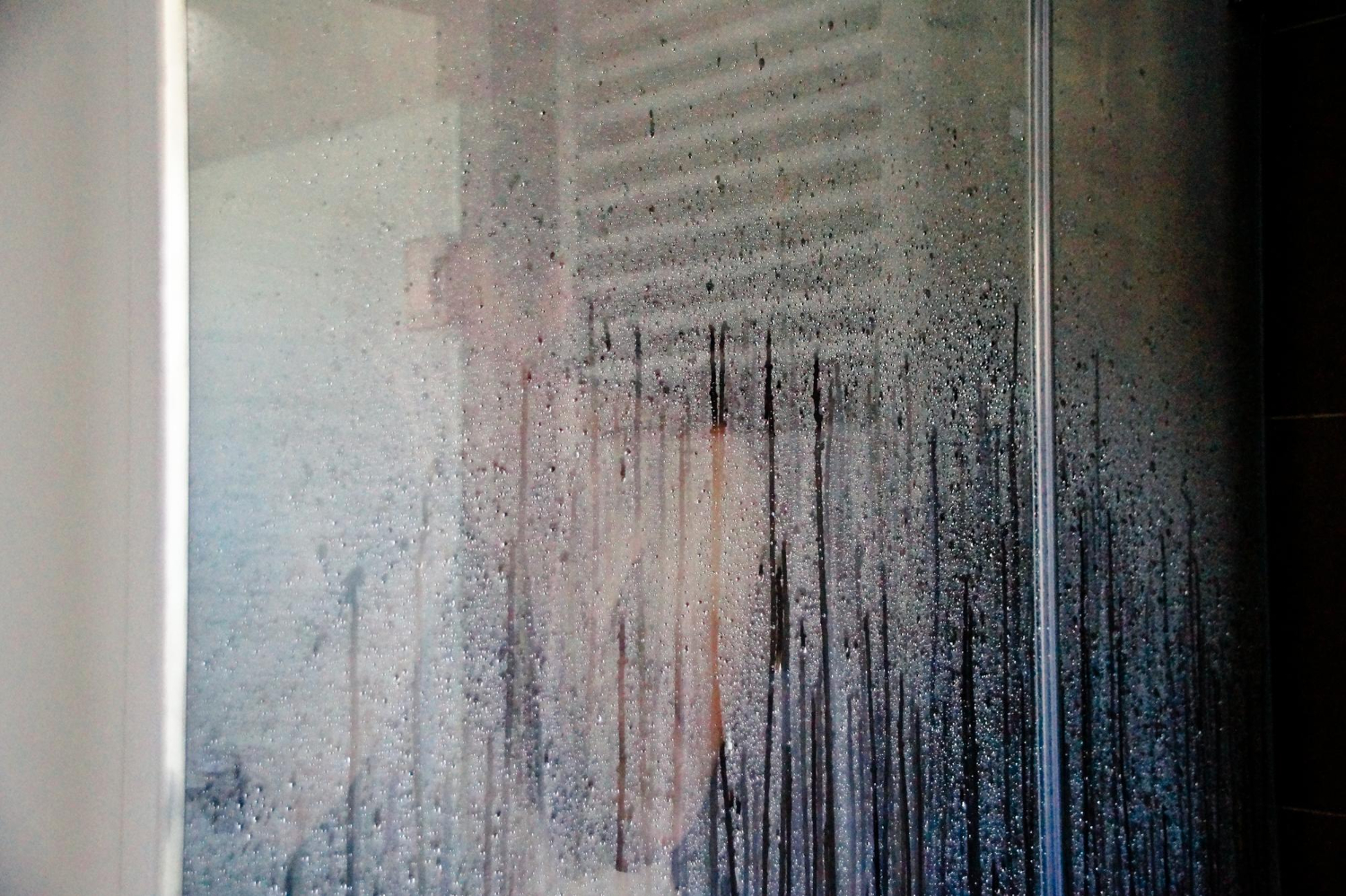
Condensation occurs when moisture in the air turns into liquid water after coming into contact with a cold surface. On windows, this usually happens when it’s colder outside than inside your home.
The air around us always contains tiny, invisible water droplets. When humidity levels rise, the concentration of moisture increases, making it more likely to settle on cold surfaces.
Think about a glass of iced water on a warm day. The “sweat” on the outside of the glass isn’t leaking from inside – it’s moisture from the warm air hitting the cold surface. As warm air cools, the molecules move closer together and can no longer hold as much moisture. When they reach a certain temperature, known as the dew point, water droplets form.
Condensation develops when rooms are too cold, when temperatures fluctuate between hot and cold, and when there is too much moisture from everyday activities like cooking, washing and even breathing.
Common causes include showering, boiling pans, drying clothes on radiators, and poor heating patterns. Damp issues within the property can also contribute, but in most cases, condensation is linked to daily living habits.
Turning off heating completely to reduce energy bills can also increase condensation. Cold surfaces attract moisture, and windows are often the coldest surfaces in a room. While walls can also develop condensation, it’s usually more noticeable on glass.
Windows are often the first place you’ll notice condensation. In fact, they act as a useful indicator of how well your home is ventilated and insulated.
There are three different types of window condensation, and each has a different cause and solution.
This is the most common type and appears on the inside surface of your windows. It’s usually noticeable first thing in the morning, especially in bedrooms, kitchens and bathrooms where humidity levels are naturally higher.
Well-insulated and airtight homes can be more prone to internal condensation because moisture has fewer escape routes.
Internal condensation is typically a ventilation issue rather than a window fault. Improving airflow is essential. This can include using trickle vents, extractor fans, opening windows regularly, and reducing moisture at its source. Upgrading to high-performance glazing can also help by keeping the inner pane warmer and reducing the temperature difference that triggers condensation.
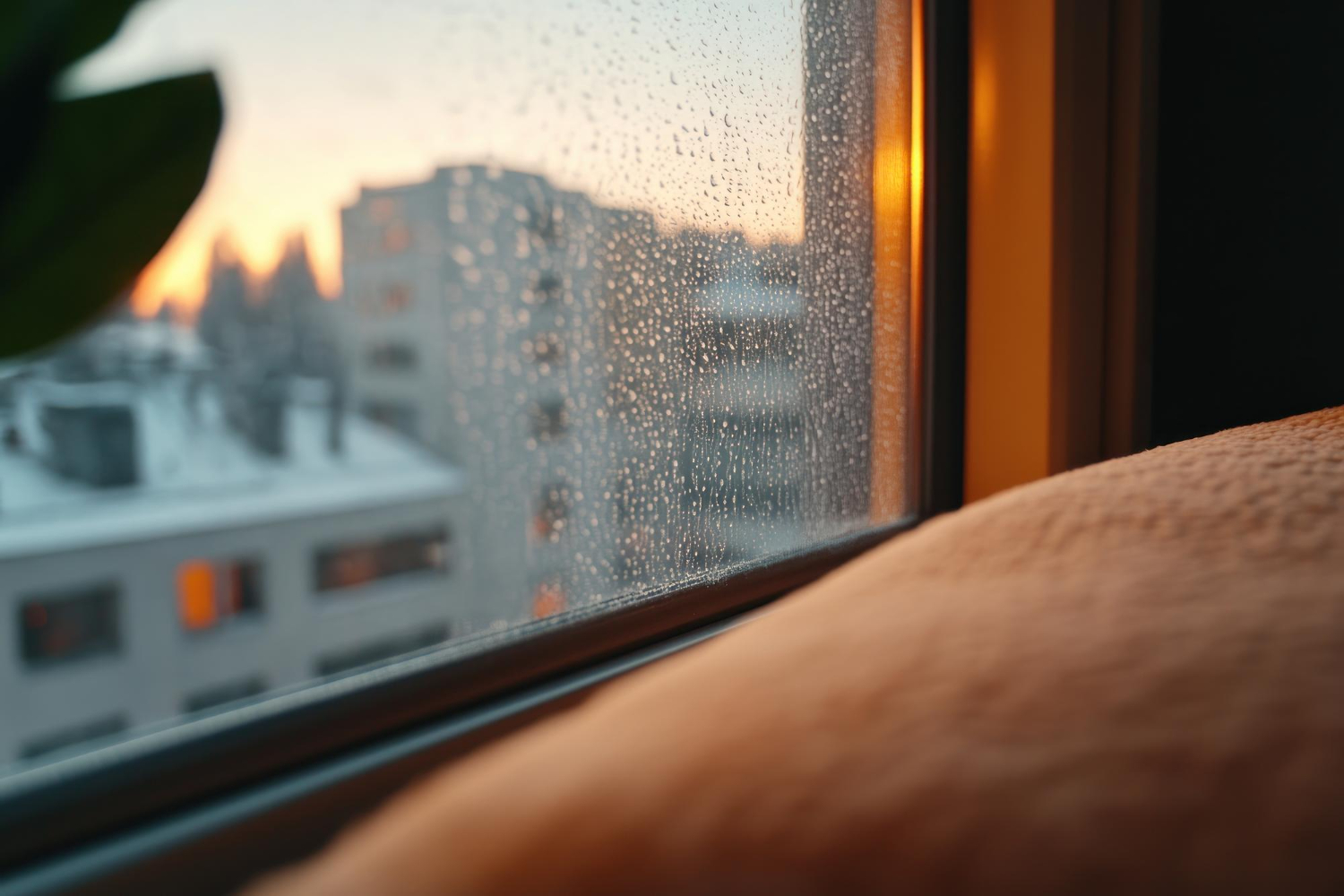
Condensation on the outside of your windows can worry homeowners, but it is usually a sign that your glazing is performing very well.
This type forms when the external pane becomes colder than the outside air, often overnight when temperatures drop and humidity levels are high.
With modern double or triple glazing, very little indoor heat escapes through the glass. As a result, the outer pane remains cool enough for early morning moisture to settle on it. It usually disappears once the sun rises or temperatures increase.
External condensation is not a defect. In fact, it shows that your windows are insulating effectively.
If you notice misting or water droplets between the panes of double or triple glazing, this should not be ignored.
Moisture inside the sealed unit indicates that the seal has failed. When the seal breaks, insulating gas escapes and moisture-laden air enters the cavity. This leads to fogging or droplets that cannot be wiped away.
Unlike surface condensation, this will not clear on its own. Over time, the window’s thermal performance reduces, potentially increasing heating costs.
The only effective solution is to replace the failed sealed unit. In many cases, the frame can remain in place while the glass unit is replaced. If your windows are still under warranty, sealed unit failure is often covered, so it’s worth checking before arranging repairs.

Standing water can eventually damage almost any surface. Even waterproof materials can suffer from limescale build-up and mould growth.
While uPVC windows are designed to withstand moisture, constantly wet seals combined with direct sunlight can cause expansion and contraction, leading to cracking over time.
Timber frames are particularly vulnerable. Moisture can cause:
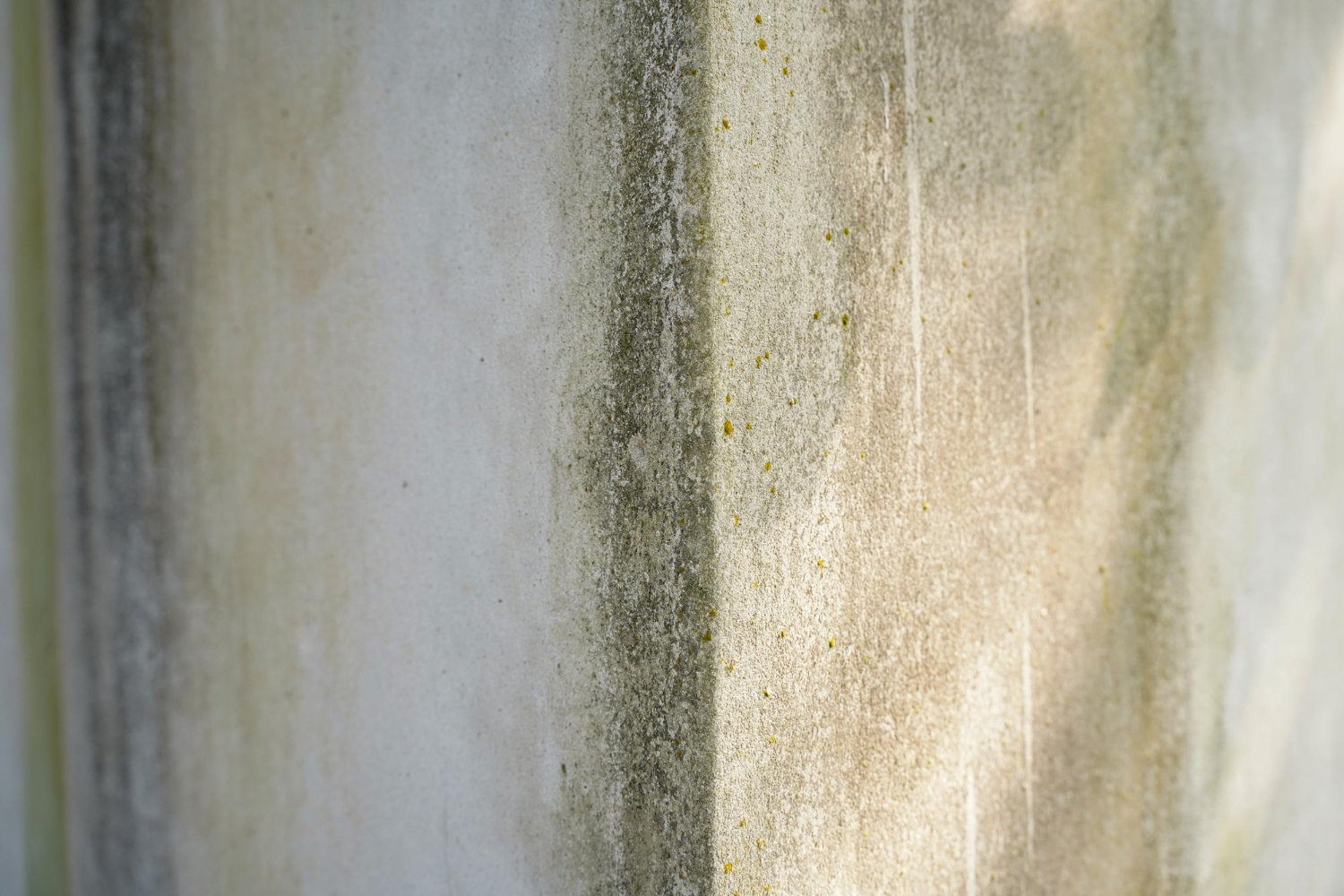
The biggest concern is mould. Left untreated, mould can stain and damage both uPVC and timber frames. More importantly, it can negatively affect indoor air quality and overall health.
For ongoing or severe condensation issues, improving insulation – including upgrading windows, doors, floors and roofs – can also help maintain a consistent internal temperature.
Improving airflow is essential in controlling condensation.
Mechanical Ventilation Systems: Some modern properties use mechanical extraction systems to circulate and exchange indoor air, helping maintain balanced humidity levels. Retrofitting these systems into older homes can be costly and disruptive.
Positive Input Ventilation (PIV): PIV units introduce fresh, drier air into the property while pushing out humid air. They are often installed in loft spaces and can help manage moisture levels throughout the home.
Bathrooms and kitchens should have effective extractor fans to remove steam from showers and cooking. Humidity-controlled fans can automatically activate when moisture levels rise.
Even modern windows are designed with secure ventilation settings. Opening windows regularly is one of the simplest ways to reduce moisture build-up, although this should be avoided during heavy rain or very damp weather.
Air bricks and wall vents help maintain airflow, although they can reduce energy efficiency. Window vents are a more controlled solution and can significantly reduce internal condensation.
An average household produces a significant amount of water vapour daily through normal activities such as cooking, showering, washing and drying clothes.
Even houseplants and pets contribute to humidity levels, so it’s important to consider all sources of moisture.
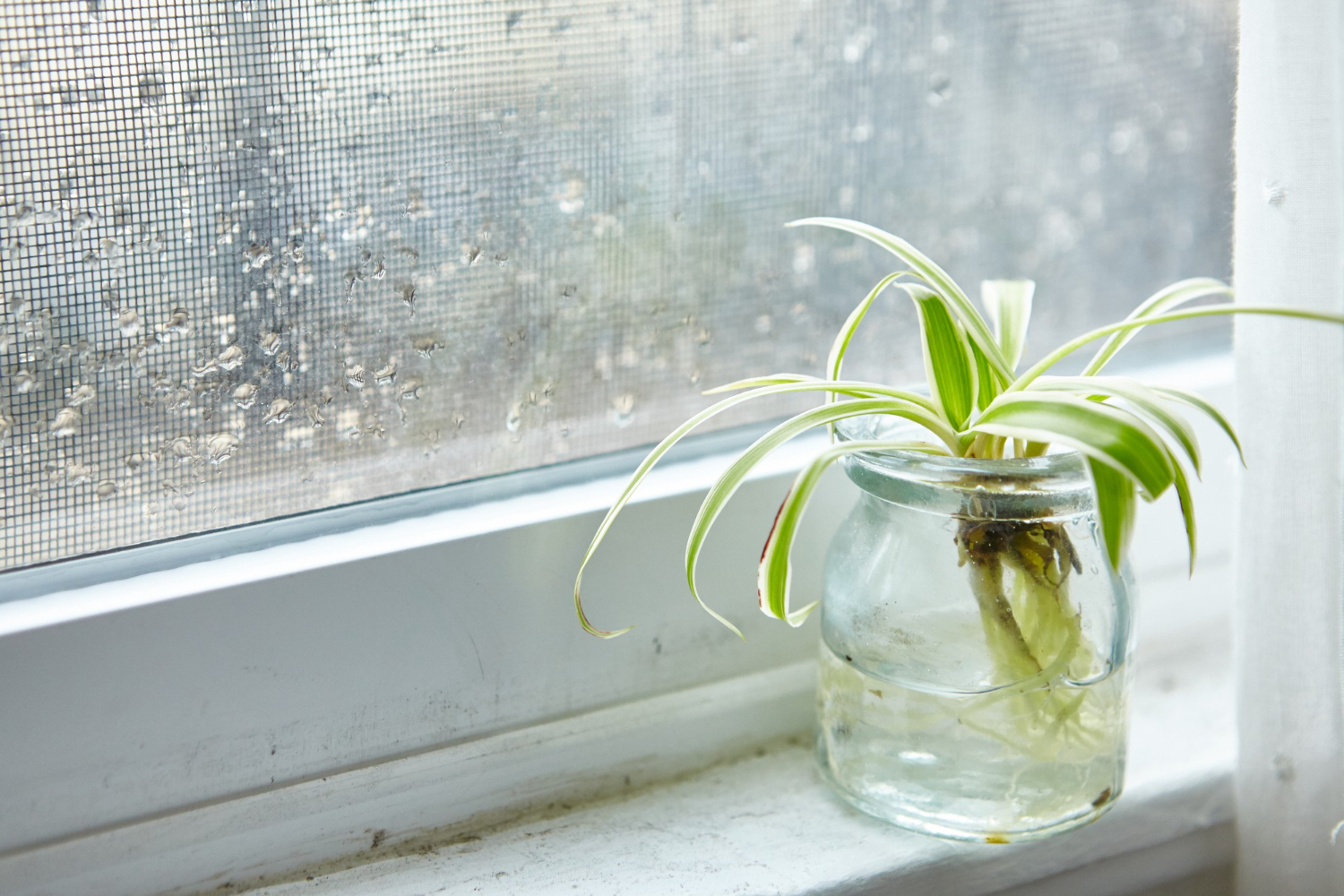

Because condensation forms when warm, moist air meets cold surfaces, maintaining a consistent indoor temperature is crucial.
It’s better to keep heating at a steady, moderate level rather than allowing rooms to become very cold and then heating them rapidly. Stable temperatures reduce surface cooling and minimise condensation risk.
Energy-efficient glazing, insulated doors, and quality window installations from NexGlazing can help maintain warmth while keeping energy costs under control.
Bedrooms commonly experience condensation due to moisture released through breathing overnight.
These simple adjustments can significantly improve comfort and reduce morning condensation.

Single glazing is highly susceptible to condensation because the glass becomes very cold, quickly reaching the dew point.
Double glazing helps reduce condensation by keeping the inner pane warmer. The insulating air or gas layer between the panes slows heat transfer, reducing the temperature difference that causes moisture to condense.
However, double glazing alone cannot completely eliminate condensation. The most effective approach combines quality glazing from NexGlazing with proper ventilation, reduced internal moisture, and stable heating patterns.
By addressing all these factors together, you can create a healthier, warmer and more comfortable home environment while protecting your windows for years to come.
Condensation itself isn’t directly harmful, but the problems it causes can affect your health. Ongoing moisture can lead to mould growth, which may trigger allergies, asthma, and other respiratory issues. Prolonged damp conditions can also reduce indoor air quality. Controlling condensation helps create a healthier, more comfortable living environment.
Yes, you should wipe condensation off windows, especially if it’s excessive. Removing surface moisture helps prevent mould growth, staining, and potential damage to window seals or frames. While wiping the glass won’t fix the root cause, it does reduce the risk of long-term issues. It’s best to treat wiping as a temporary measure while addressing ventilation and heating patterns.
Yes, dehumidifiers can help reduce condensation on windows by removing excess moisture from the air. Since condensation forms when humid air meets a cold surface, lowering indoor humidity makes it less likely that water droplets will form. However, a dehumidifier is usually a short-term or supportive solution. For long-term results, it’s important to also improve ventilation, reduce moisture at its source (such as cooking or drying clothes indoors), and maintain a steady indoor temperature.