
When working on a home renovation or commercial glazing project, choosing the right type of glass is just as important as the frame material—whether you’re installing aluminium windows and doors or uPVC windows and doors. Two of the most popular options are tempered glass and laminated glass, each offering distinct advantages for safety, durability, and performance.
If you’re searching for a trusted glass supplier near me, understanding these differences can help you make the best decision for your project.
Tempered Glass: This type of glass is created by heating a single sheet to very high temperatures and cooling it rapidly. The process increases its strength by up to five times compared to standard float glass. Laminated Glass: Made from two or more glass layers bonded with a PVB (polyvinyl butyral) interlayer, laminated glass forms a “sandwich” structure that adds extra safety and soundproofing.
Tempered Glass: When broken, it shatters into small, blunt pieces that are less likely to cause injury. However, it can fall out completely from its frame, which may not be ideal for high-rise or overhead glazing. Laminated Glass: The broken pieces stay securely attached to the interlayer, ensuring better protection and resistance against impact, burglary, and even explosions. It’s the preferred choice for shopfronts, skylights, and balcony glazing.
Sound Insulation: Laminated glass blocks up to 50% of outside noise, making it perfect for homes and offices in busy areas. Heat and Impact Resistance: Tempered glass handles rapid temperature changes better and withstands strong external forces, ideal for balustrades, shower screens, and uPVC door panels.
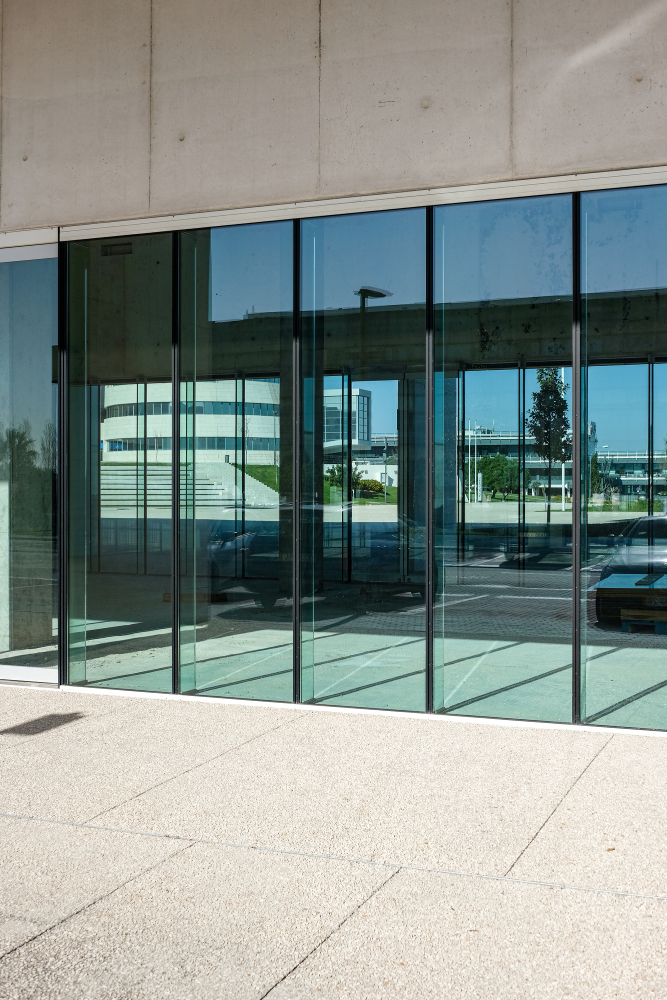
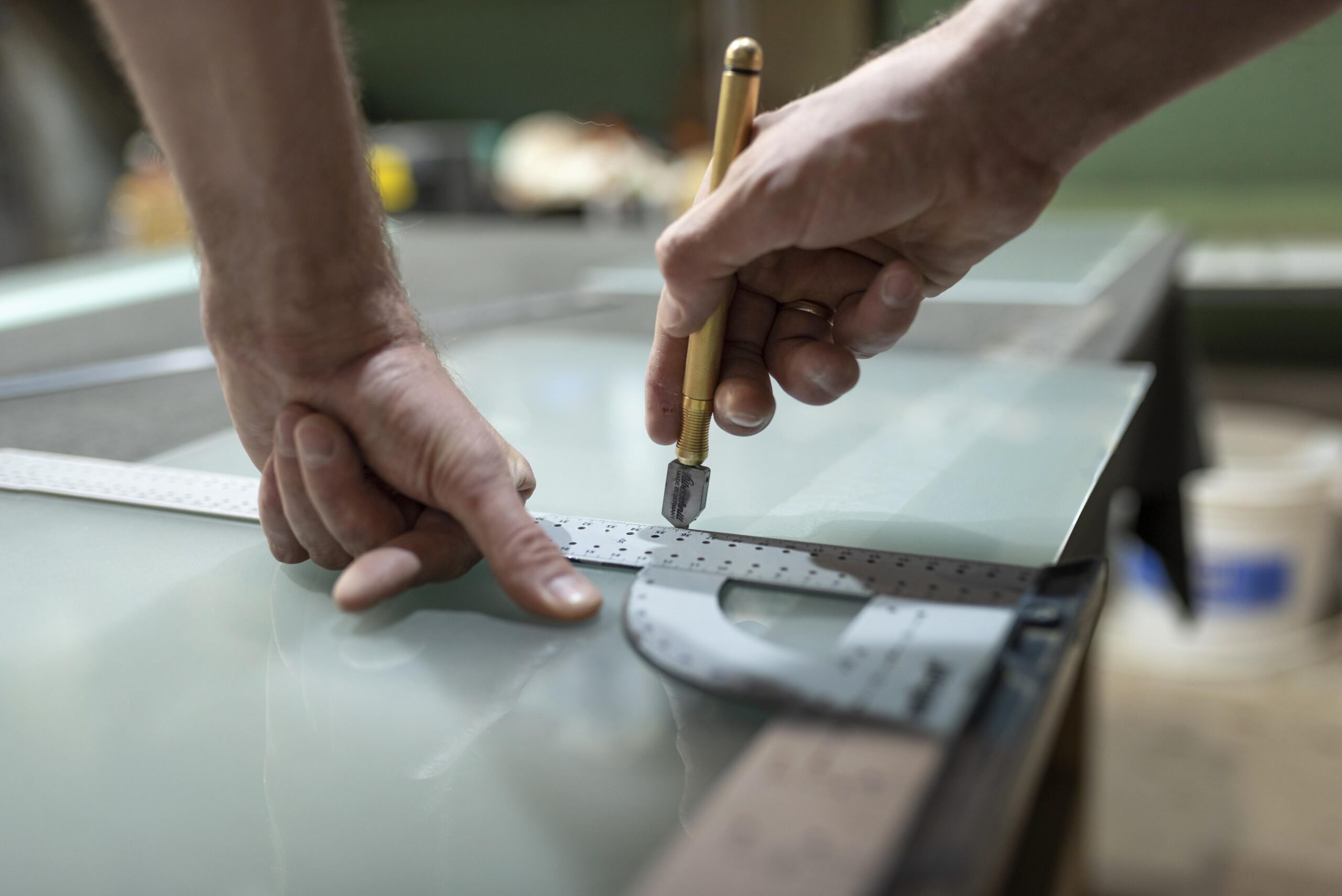
Laminated Glass: Best for high-rise buildings, roof glazing, floor-to-ceiling windows, and spaces requiring improved safety or noise reduction. Tempered Glass: Commonly used in aluminium windows, interior partitions, kitchen splashbacks, and residential doors for cost-effective, everyday use.
Price: Laminated glass is generally 20–40% more expensive than tempered glass due to its multi-layer composition and safety interlayer. Maintenance: Both options are durable and scratch-resistant. Avoid harsh abrasives and clean with mild glass cleaner for long-lasting clarity and shine.
If your project involves uPVC or aluminium windows and doors, your choice of glass will significantly impact performance, safety, and aesthetics. Choose laminated glass for superior safety and soundproofing or tempered glass for strength and value.
For professional advice, custom glazing, or supply, get in touch with NexGlazing – your trusted glass supplier near me in the UK.
Tempered glass is a type of safety glass that is heat-treated to increase strength. When broken, it shatters into small, blunt pieces, reducing the risk of injury. It is commonly used in windows, doors, shower screens, and glass partitions.
Laminated glass consists of two or more glass layers bonded with a plastic interlayer. If broken, the glass remains intact, making it ideal for security glazing, double glazing units, skylights, and noise-reduction windows.
Laminated glass is the better option for security glazing as it prevents easy break-ins and remains in place even when cracked.
Yes, both types are commonly used in double-glazed windows depending on safety, energy efficiency, and security requirements.
In many cases, UK building regulations require laminated glass in overhead glazing, skylights, and certain safety-critical areas.
Laminated glass is preferred for skylights, roof lanterns, and overhead glazing due to its safety and durability.